Our Team
We are a trio of students at University of Washington Bothell (UW Bothell) participating in the 2026 UW Bothell Hackathon "UWB Hacks 2026: Future".
Leo Bartron
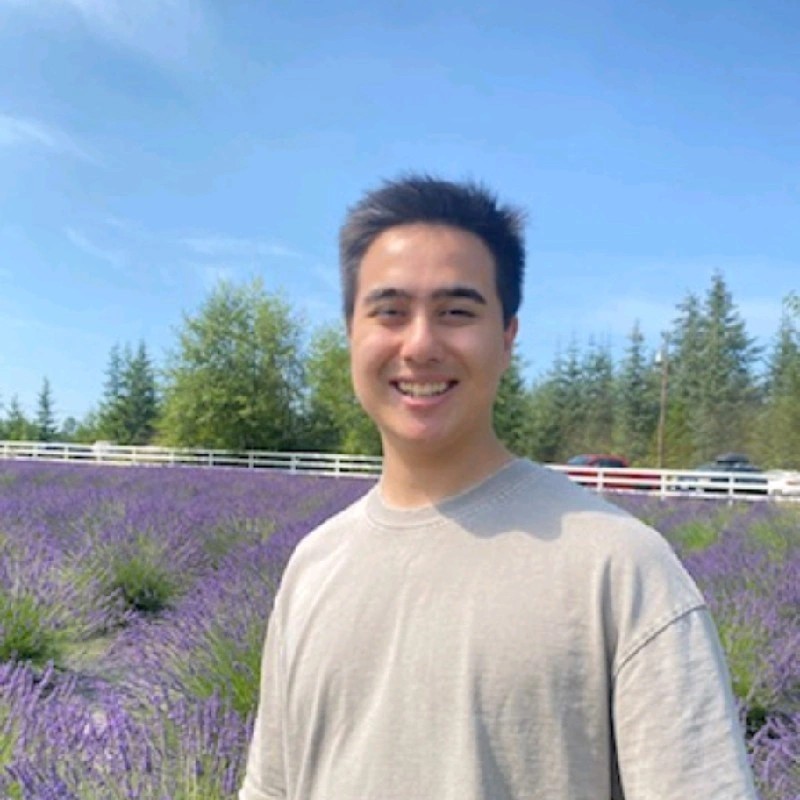
Leo is studying Computer Science and Software Engineering at UW Bothell. His studies include building software systems, working with data, and exploring machine learning concepts. He is interested in developing technology that is practical and accessible to a wide range of users. Through his work and projects, he focuses on creating systems that improve access to information and enable robust, data-driven decision making.
Noah Brestel

Noah is studying computer science at UW Bothell, and has a passion for programming. His studies include building software, robots, and games. He enjoys exploring the creative potential of software and its applications. Though he is hesitant to adopt AI, he recognizes that it will become a critical aspect of life as a software developer. Through this project, he seeks to provide a fair environment for people of all passions to learn about AI.
Kylie Chang
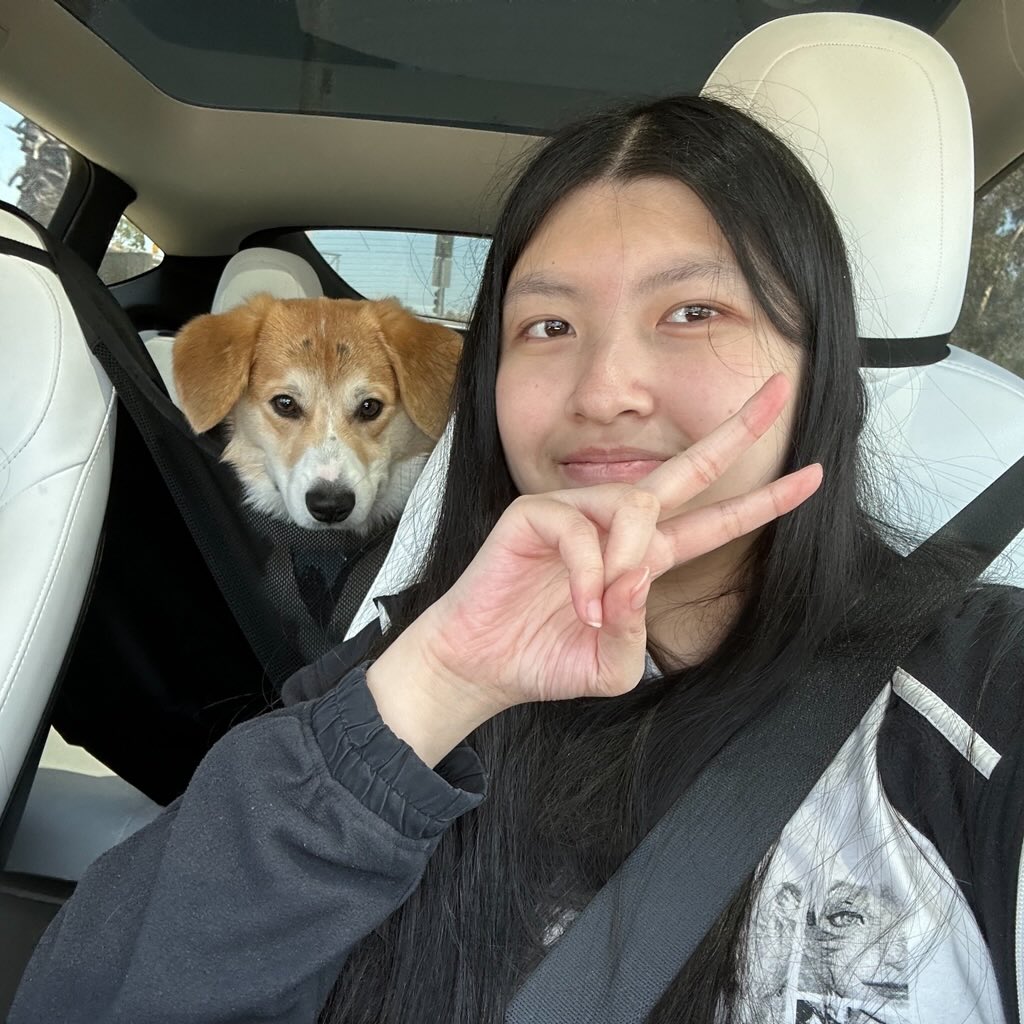
Kylie is studying Computer Science at UW Bothell, and has a passion for research and design. Through her major, she studies how to design and build software that is inclusive, and accessible, and through her Science, Technology, and Society minor, she deep dives into the ethical implications of AI and overall societal impact. Through this project, she hopes that she can make a positive impact on the younger generation's understanding and interactions with technology.
Our Purpose
As computer science students, we are driven to ensure that the tools we use and provide are done so with care. As AI is integrated into our daily lives, we want to ensure that society can adapt to AI as quickly as it adapts to us. By developing an environment for users to learn and share opportunities to others, we believe that communal efforts can improve our preparedness for daily life in a new age of technology.
Our Mission
Our mission is to raise awareness of AI and its impact on current and future generations. As the world transitions towards an AI-forward approach, standardized education in schools should play a key role in ensuring that people understand how to use AI responsibly. By educating younger generations to be AI-literate, it will help them navigate the world of technology safely, and build a foundation for positive societal change.